


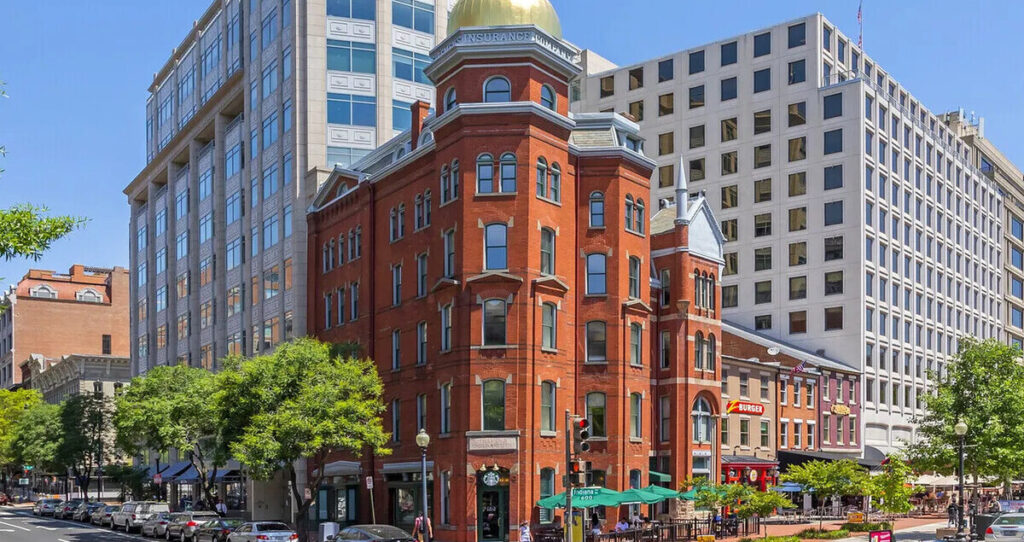

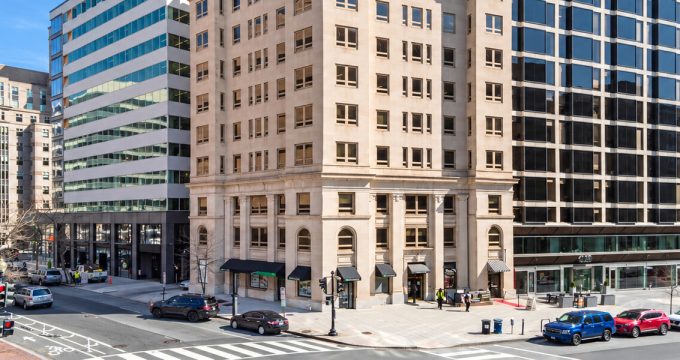


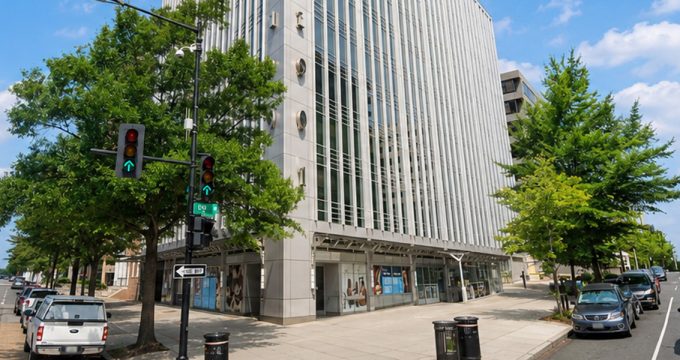


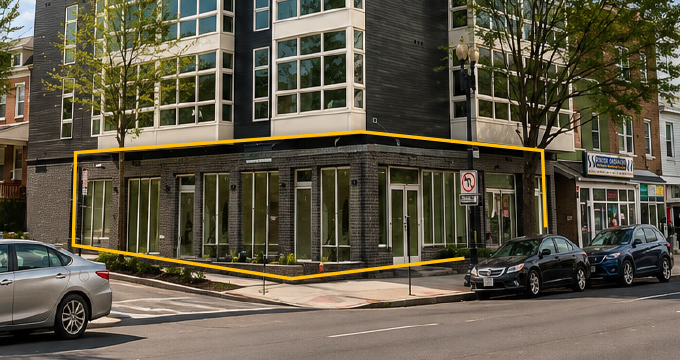
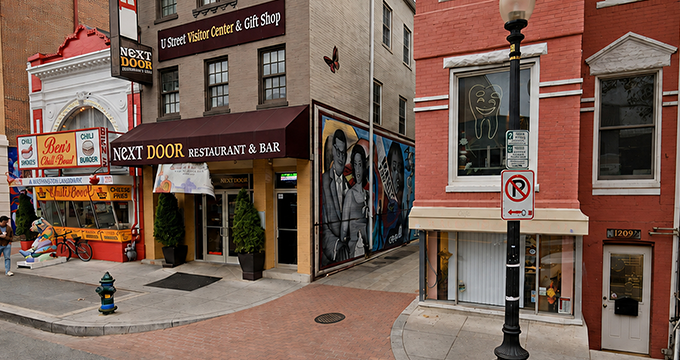


Small retail space in Washington DC
A small storefront can serve a boutique, service business, appointment-based concept or food operator with the right premises. Begin with the space needed for customers, inventory, staff, storage and deliveries. Frontage, entrance location and the division between sales floor and back-of-house space can matter as much as the advertised size.
Share your preferred size range, business use, neighborhoods and total monthly budget. Review each property’s permitted use, asking terms and delivery condition, and contact the leasing team to confirm availability. A small unit should still be evaluated against the needs of the business that will occupy it.
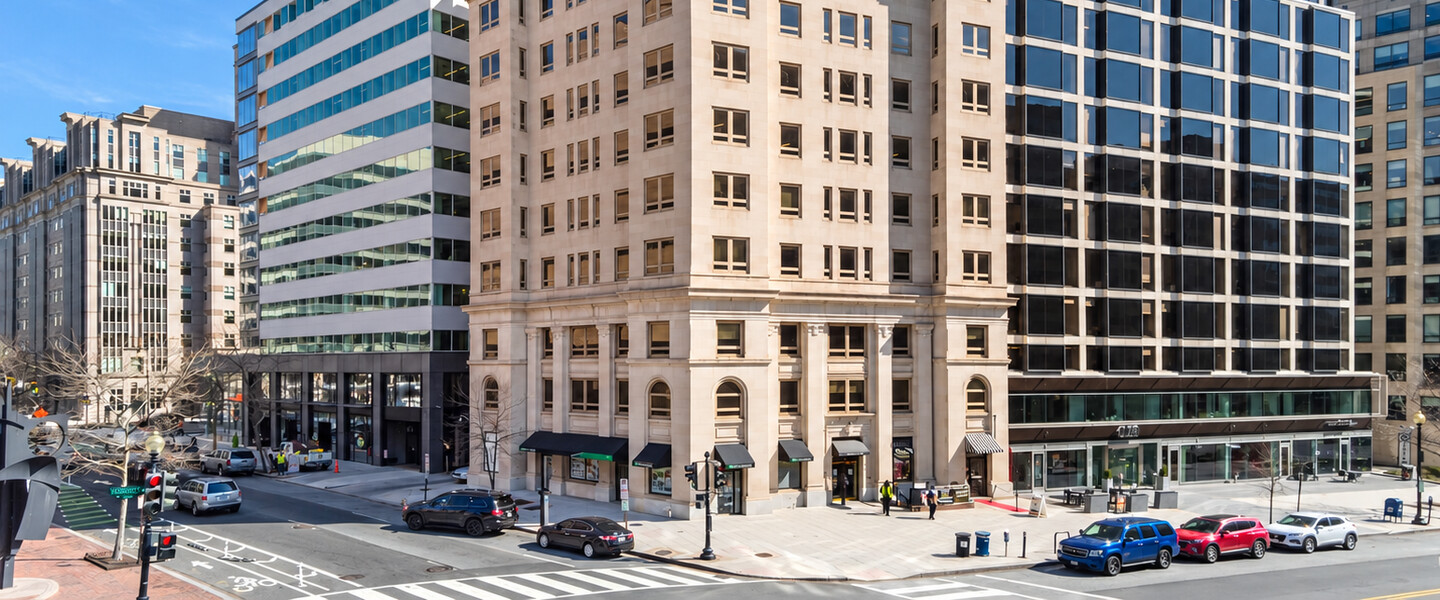
Comparing rent with a monthly budget
Confirm whether a quote is annual rent per square foot or a monthly amount. For an annual per-square-foot quote, multiply the rate by the rentable area and divide by 12 to estimate monthly base rent. As an illustration, 1,000 SF at $40 per SF per year equals about $3,333 in monthly base rent before additional expenses.
NNN charges and other expenses may be additional. Ask for the applicable taxes, operating costs, utilities, insurance and maintenance obligations, then include buildout and opening costs in the overall budget. If the budget is under $1,000 per month, state whether that amount covers base rent or all occupancy costs. Confirm any shared or short-term alternative directly rather than assuming a standalone storefront is available at that price.
For a temporary storefront, read our DC pop-up retail and restaurant guide. For a permanent food or fitness concept, compare our restaurant spaces and gym and studio spaces.
Send the leasing team your space requirements or call 202-333-0303.